Sydney Metro West Portion 1: 3,158 tunnel defects on one register
Piloted from 6 July 2026 and in production on Sydney Metro West's Portion 1 defect repair phase since 2 August 2026, with Gamuda Australia engineers and two field contractors on the same list.
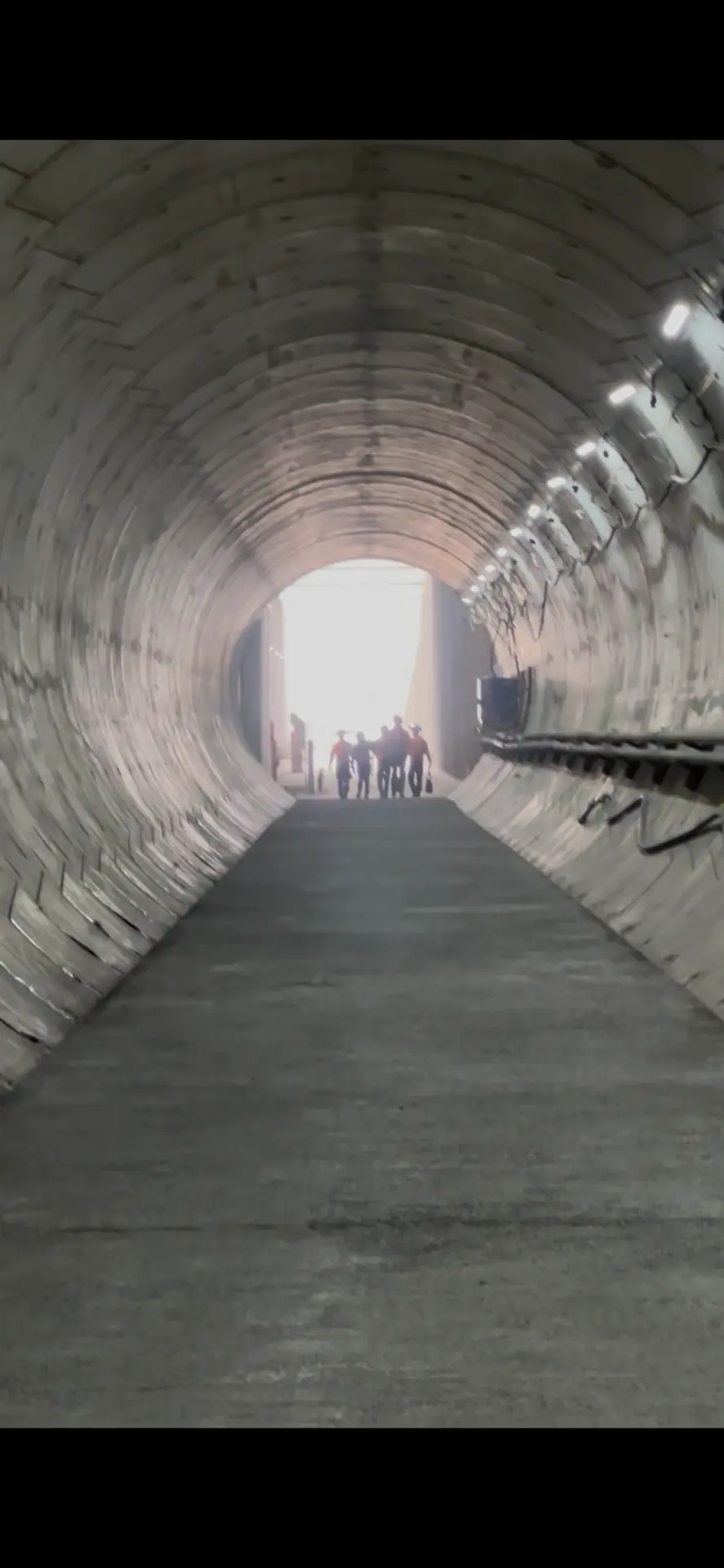
Twin tunnels, thousands of recorded defects
The Sydney Metro Western Tunnelling Package is being delivered by Gamuda Australia as part of Sydney Metro West, the new underground railway between Greater Parramatta and the Sydney CBD. Once the tunnel boring machines are through and the segmental lining is in place, a different kind of work starts: finding, recording and repairing defects in that lining.
On Portion 1 that means thousands of recorded defects across the twin tunnels RT01 and RT02 and the cross passages between them. Segment defects and tunnel invert defects, each pinned to a ring number and a clock position, each carrying an engineer's instruction about how it must be treated. Injection crews seal the leaks. Labour crews carry out the rectification works. Engineers above ground have to know, every day, what has actually been done.
The gap between the tunnel and the office
The hard part was never the repair. It was the distance between the work performed underground and the visibility engineers had above ground.
Progress travelled on paper and in spreadsheets. Photos were shared on messaging apps, then downloaded, renamed and filed by hand. Ring numbers and packer counts were re-typed into a tracker at the end of a shift, sometimes the next morning. Every one of those steps costs time and adds a chance to lose or mistype something. By the time a consolidated picture existed, the crews had already moved on.
The work was never the bottleneck. The distance between the tunnel face and the engineer's screen was, and that distance is now measured in seconds.
Two crews, two work streams, one list
DEFECTED puts the master defect list in the app. On Portion 1, 3,158 defects were imported from the issued DLP master defect list, across both tunnel drives. Every imported defect keeps its permanent reference, so the list in the tunnel and the list in the office are the same list.
Crews see only their own work stream, injection or labour, filtered to the tunnel they are in. Each defect shows the ring, the clock position, the defect type and the engineer's instruction. Photos are captured and stamped on the spot, with the capture time burned into the image. Packers installed, injected and patched, the product used and the completion of the defect are logged as the work happens, not reconstructed afterwards.
From the tunnel face to the engineer's screen in seconds
On the other side, engineers open the same project on any device and see live counts by tunnel, by ring, by work stream and by contractor, with the photos attached to each defect. Daily and weekly reports, closure exports and photo packs are generated from the same records, so reporting is a download rather than an evening of consolidation.
You can see the flow in the product walkthroughs on the Resources page or on the DEFECTED features overview.
From pilot to deployment
The pilot started on 6 July 2026 and ran through July with a small group of crews and engineers, refining the defect taxonomy, the work stream split and the reporting formats against real shifts underground. Official deployment followed on 2 August 2026 for the Portion 1 defect repair phase. The figures below cover the first month of production, and they come from the app rather than from spreadsheets.
First month of production, Portion 1
595 injection defects and 887 rectification defects closed across RT01 and RT02, split between BBLA and Next Tier crews and attributed to the day the work actually happened.
56 people onboarded and using the app daily: field crews from two contractors, plus Gamuda engineers watching progress in real time, with weekly peaks of over 280 defects closed.
Who is on the job
Named as project context. These are factual references, not endorsements.


Field crews are provided by BBLA Group and Next Tier. The works sit within the Sydney Metro Western Tunnelling Package delivered by Gamuda Australia for Sydney Metro West.
Before and after
Before
- Progress tracked in spreadsheets
- Photos shared over messaging apps
- Manual re-entry at the end of a shift
- Progress always out of date
With DEFECTED
- Master defect list lives in the app
- Work logged as it happens, offline included
- Photos captured and stamped on the spot
- Engineers see completed work in seconds
What changed
The gap between the tunnel and the office is closed. What used to take hours of consolidation is visible in seconds. Data accuracy is better because it is captured once, at the point of work, by the person who did it. There is less double handling, and there is a single source of truth for reporting to the client.
DEFECTED is still in use on Portion 1.
Running defect repairs on your project?
We will walk you through the app with your own defect list and set up a pilot with your crews.